

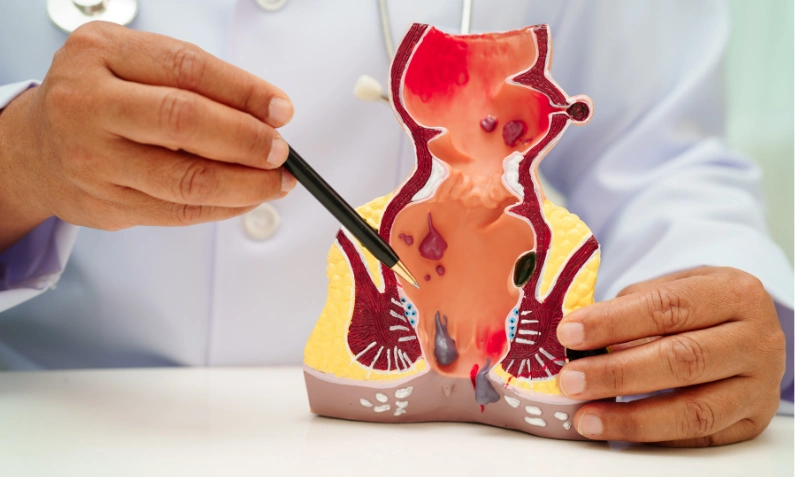
Discomfort and worry can be felt from pain, bleeding, itching or swelling around the anus. Piles, anal fissures and anal fistulas can cause similar symptoms but these are three different medical conditions that need different treatments.
Understanding the differences can help you get the right medical care instead of trying to self-diagnose or rely on temporary home remedies.
What Are Hemorrhoids?
Piles (also known as hemorrhoids) are swollen blood vessels in or around the anus and lower rectum. They can be inside or outside.
Common symptoms of hemorrhoids
Blood that is bright red when you go to the toilet
Itching or irritation in the anal area
A lump or swelling near the anorectal opening
Discomfort when sitting
Mucus discharge after defecation
Sense of incomplete evacuation of the bowel
Painless bleeding can be a symptom of internal piles. External piles can become painful, especially if a blood clot forms inside one.
Constipation, straining during bowel movements, spending long periods sitting on the toilet, pregnancy, obesity and a low-fibre diet can cause piles.
What Is an Anal Fissure?
Anal fissure: A small tear in the sensitive tissue lining the anal canal. It often happens after passing a hard or large stool.
Signs and symptoms of anal fissures
Pain (sharp or burning) during a bowel movement
Pain that lasts for minutes or hours afterward
Bright red blood on the stool or on toilet paper
A noticeable fissure close to the anus
Spasms of the muscles around the anus
Fear of pain on defecation
The most notable difference is the kind of pain. A fissure usually causes severe, stabbing or burning pain during and after a bowel movement.
Constipation is a common cause but other conditions affecting the anal area such as prolonged diarrhea, can also cause a fissure.
What is anal fistula?
An anal fistula is an abnormal tunnel that forms between the anal canal and the skin surrounding the anus. It usually follows an infection or an anal abscess.
Typical signs of an anal fistula
Recurrent swelling around the anus
Throbbing or continuous anal pain
Pus, blood or foul smelling fluid
A tiny opening or hole close to the anus
Skin irritation near the hole
Fever or chills during an infection
Temporary relief when the swelling goes down
Unlike piles or a simple fissure, an anal fistula does not usually heal itself without treatment. A surgical procedure is usually needed, and the type of procedure depends on the location and complexity of the fistula.
Piles vs Fissure vs Fistula: Differences You Need To Know
| Condition | What is it? | Common symptom | Hemorrhage | Release |
| Hemorrhoids (Piles) | lood vessels that are widened in or around the anus | Swelling, bleeding or itching | Common | Mucus may be present |
| Fissure | A small tear in the lining of the anus | Sharp pain when passing stool and after | Usually a little bit | Scarce |
| Fistula | An infected abnormal tunnel near the anus | Recurrent pain, swelling and discharge | Might happen | Pus or foul-smelling fluid is common |
These signs are for comparative purposes only. Several conditions including infections, inflammatory bowel disease and colorectal disorders can cause similar symptoms. So, a medical examination is important for an accurate diagnosis.
How are these conditions identified?
Your doctor will ask about your symptoms, bowel habits, how long you have had the discomfort and any previous infection or abscess.
Depending on your symptoms, you may be diagnosed with:
Inspecting the area around the anus
Digital examination of the rectum
Proctoscopy and Anoscopy
Imaging studies for complicated or recurrent fistulas
Further Bowel assessment if clinically indicated
Don’t assume every episode of rectal bleeding is due to hemorrhoids. Any bleeding that is continuous or unexplained should be examined by a qualified doctor.
Piles Treatment
Mild piles can improve with changes to your lifestyle and appropriate medication. Treatment may include:
Increasing intake of fiber
Drink plenty of water.
Don’t strain yourself
Less time on throne
Medications as prescribed to soften stools
Medicines for pain, itching or swelling
If symptoms persist, a doctor may recommend a minimally invasive procedure or surgery depending on the type and grade of the piles.
Patients looking for piles treatment in Calicut need to get a proper diagnosis done before selecting a procedure as the treatment required varies from patient to patient.
Anal Fissure Treatment
Treatment involves pain relief, softening of the stool and allowing the tear to heal. It may include:
A diet high in fiber.
Sufficient fluid intake
Prescribed stool softeners.
Warm sitz baths
Topical medicines relax the anal muscles.
Painkillers and painkillers
If a fissure is chronic and does not respond to conservative treatment, it might need treatment with a medical procedure or surgery.
Anal Fistula
An anal fistula usually requires surgical management as the abnormal tract rarely heals on its own.
Possible treatment options include:
Fistulotomy
Seton placement
Sphincter saving procedures
Other advanced methods based on fistula anatomy
The doctor maps the course of the fistula and its relationship to the muscles that control bowel function, then determines the treatment.
When should you visit a doctor?
If you experience: seek medical attention
Bleeding of the rectum
Severe or continuing pain
Recurrent swelling around the anus
Pus or foul smelling discharge
Cold chills or fever
A lump that doesn’t go away
Symptoms that last for more than a week
Unintentional weight loss or change in bowel habits
If the bleeding is heavy or does not stop or if you have severe anal pain with fever, spreading swelling, dizziness or fainting you need urgent medical care.
Can Piles, Fissures and Fistulas be Avoided?
Healthy bowel habits can help reduce the risk of piles and fissures, tho not all cases can be prevented:
Eat vegetables, fruits, whole grains and other high fiber foods.
Drink plenty of water throughout the day.
Keep walking.
Don’t hold back your poops.
Try not to strain or sit on the toilet for a long time.
Recurrent constipation or diarrhea. See a doctor.
If you think you have an anal abscess or infection see a doctor.
FAQs – Frequently Asked Questions
1 . Does bleeding mean piles always?
No. Hemorrhoids are a common cause of bright-red rectal bleeding, but bleeding can also be caused by fissures, infections and other bowel conditions. “You should see a doctor about any symptoms that are persistent or recurring.
2 .Which condition is most painful?
Sharp pain during and after a bowel movement is common with an anal fissure. Thrombosed external pile or infected fistula can be cause of severe pain.
Most fistulas need surgery to heal but this is rare.
An anal fistula generally does not heal spontaneously. Medical evaluation is needed to determine the correct treatment.
3 . Are fissures and piles one and the same?
No. Piles are dilated blood vessels. A fissure is a tear in the lining of the anus. The symptoms and the treatments are different.
Proctologist treats piles, fissures and fistulae.
These can be diagnosed and treated by a general surgeon, colorectal surgeon or a proctology specialist.
Get the Correct Diagnosis and Treatment
Piles, fissures and fistulas can occur in the same area but are not the same condition. Early diagnosis can reduce pain, prevent complications and help to identify the most appropriate treatment.
If you experience anal pain, swelling, bleeding or discharge, seek assessment and personalized care from the specialists at Malabar Hospitals.
Book appointment for piles, fissure or fistula treatment in Kozhikode.
The article is for general awareness only and is not a replacement for professional medical advice.